

Ibrahim's Palace, also known as Qasr Ibrahim, is a historic palace in Al Hofuf, Saudi Arabia. Its long history, distinctive architecture and location in the Al-Kut neighborhood make it a notable stop in Al-Ahsa.
- Location: Al-Kut neighborhood, Al Hofuf
- Visiting hours: Open Saturday to Thursday; closed Friday
- Entry: listed as free; allow one to two hours for a visit
Where is Ibrahim's Palace?
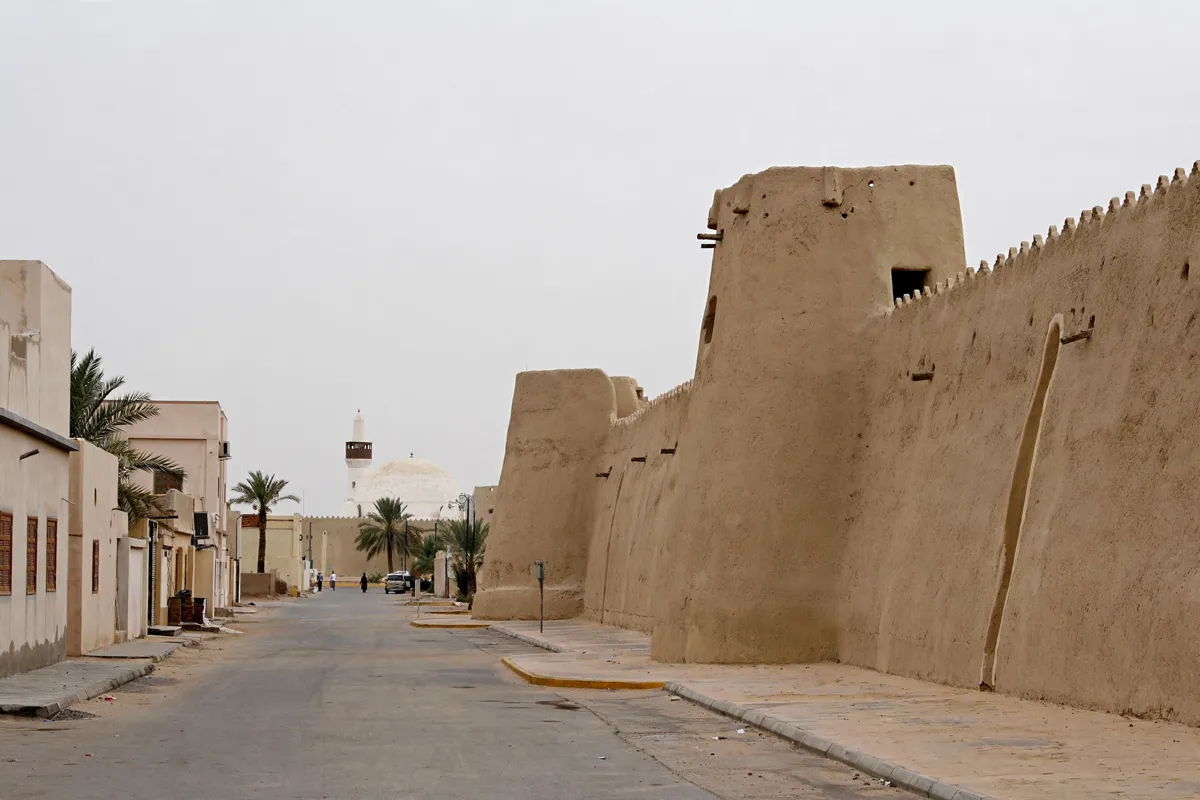
Ibrahim's Palace is in the Al-Kut neighborhood of Al Hofuf, in Al-Ahsa Governorate, Saudi Arabia.
The palace is part of the Al-Ahsa Oasis UNESCO World Heritage property, inscribed in 2018. Its location in the historic urban area also makes it a natural point of reference when exploring Al Hofuf city centre.
How do you get to Ibrahim's Palace?
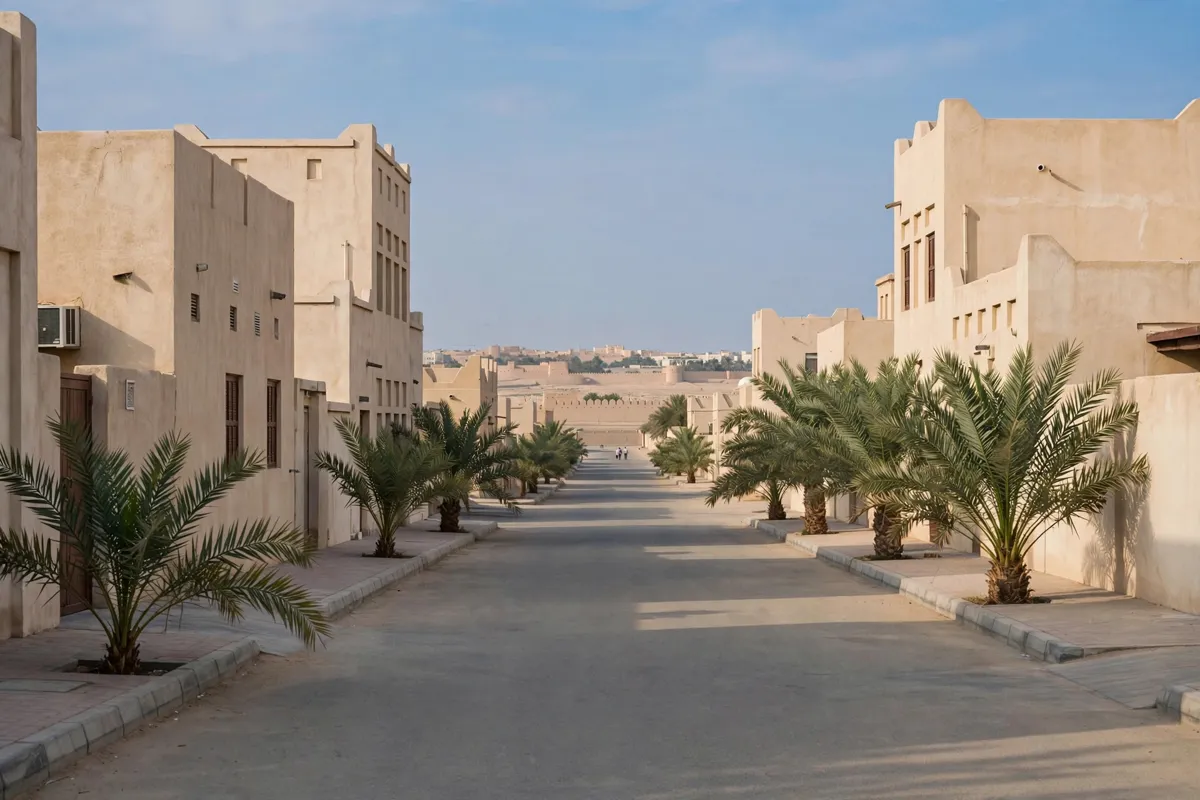
The palace is about a 15-minute walk or 6-minute drive from a hotel close to Ibrahim's Palace, so you can reach it on foot or by car. The palace is in Al-Kut, so use that neighborhood as your destination when planning your route.
What should you check before visiting?
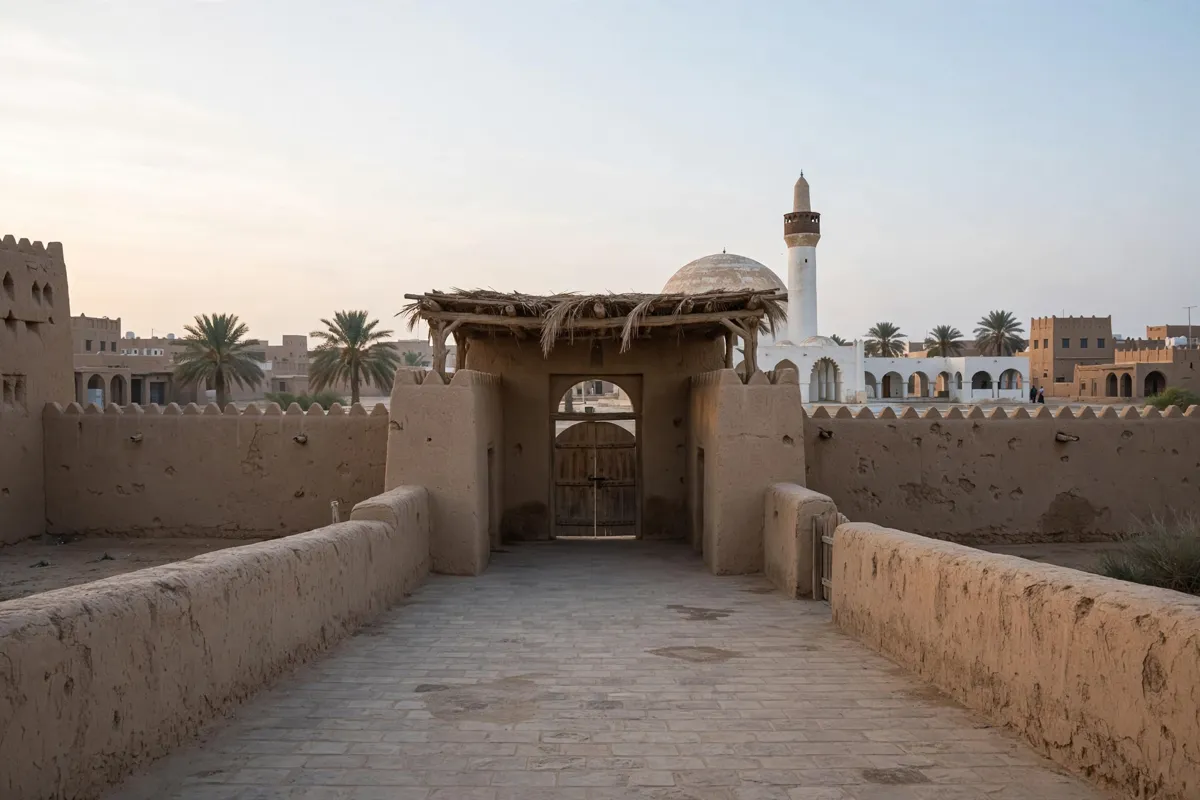
Entry is free, and a visit takes one to two hours. Hours and fees may change, so check the official site before you go.
Opening hours
- Monday to Thursday, Saturday and Sunday: 8:00–16:00
- Friday: closed
Last checked November 2026. Hours can change on holidays and for special events.
Confirm the current hours and entry arrangements with the operator before setting out, especially if your visit depends on a particular day or time.
What is the palace’s history and architecture?
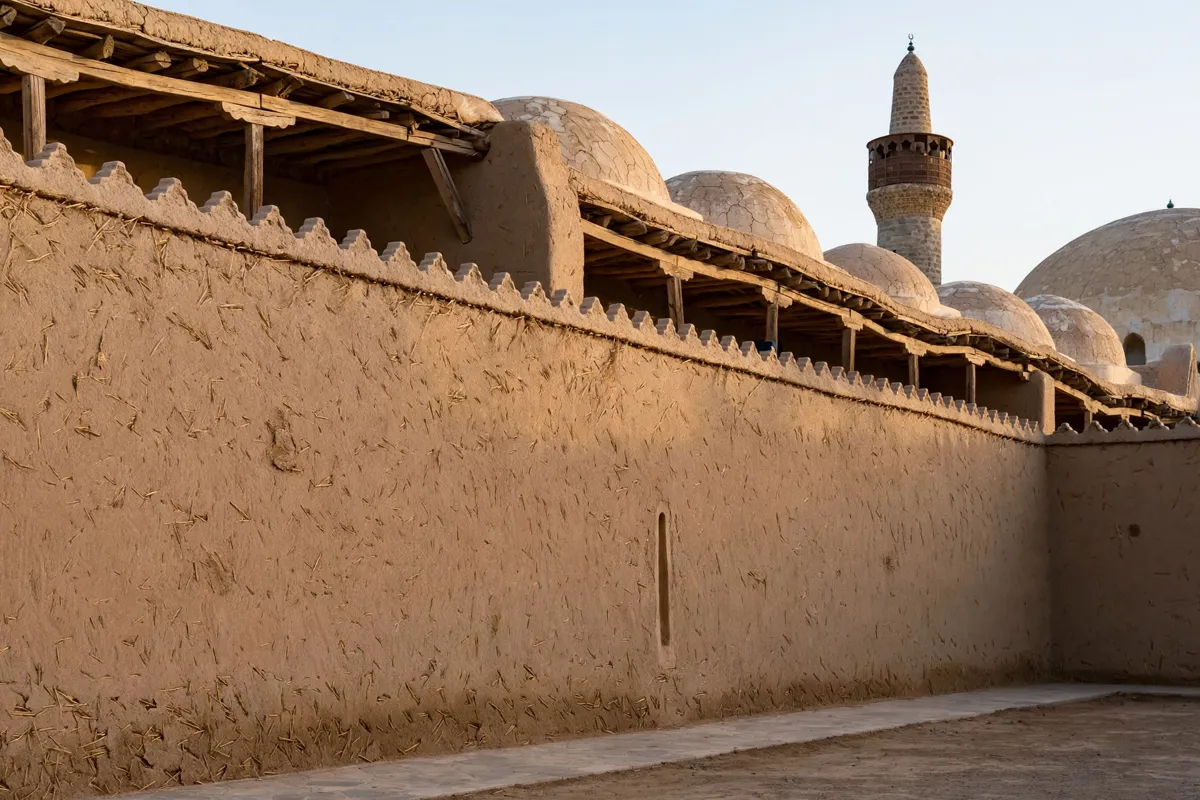
Saudipedia dates the palace’s construction to 1555 and gives its area as 16,900 square meters. Visit Saudi describes it as built in the 16th century during the Al-Jabri dynasty and later used as an Ottoman military base. Ibrahim bin Afaisan renovated it in 1801, and King Abdulaziz visited the palace in 1912, according to an Ithra cultural guide.
Local materials shape the buildings: walls use mud mixed with straw, while roofs incorporate palm trunks, timber and stones. The complex includes a mosque with a large central dome, smaller surrounding domes, decorated gypsum windows and a stone minaret with a spiral staircase.
Other parts of the palace include a central courtyard, barracks, horse stables, officers’ quarters, an ammunition depot, a communications room and towers. The palace is also known as Al-Kut Palace and Qasr Al-Qubba.
What can you pair with a visit to Ibrahim's Palace?
Visit Saudi recommends pairing the palace with Bayt Al Bay’ah, which it describes as across the street. The nearby setting also gives you a chance to add another historic landmark in Al Hofuf, such as Qasr Sahud.
Practical visit checklist
A little planning helps make the visit straightforward. Before you leave, confirm the hours and entry details with the operator, then set aside one to two hours for the palace.
- Check the visiting hours for your planned day.
- Confirm whether entry is free.
- Allow one to two hours to visit the palace.
- Consider adding Bayt Al Bay’ah, across the street, to the same outing.
FAQs
What is another name for Ibrahim's Palace?
It is also called Qasr Ibrahim, Al-Kut Palace and Qasr Al-Qubba.
When was Ibrahim's Palace built?
Saudipedia dates its construction to 1555.
Is Ibrahim's Palace part of a UNESCO World Heritage property?
Yes. It is part of the Al-Ahsa Oasis UNESCO World Heritage property, inscribed in 2018.
What is inside the palace complex?
The complex includes a mosque, courtyard, barracks, stables, quarters, a depot, a communications room and towers.